
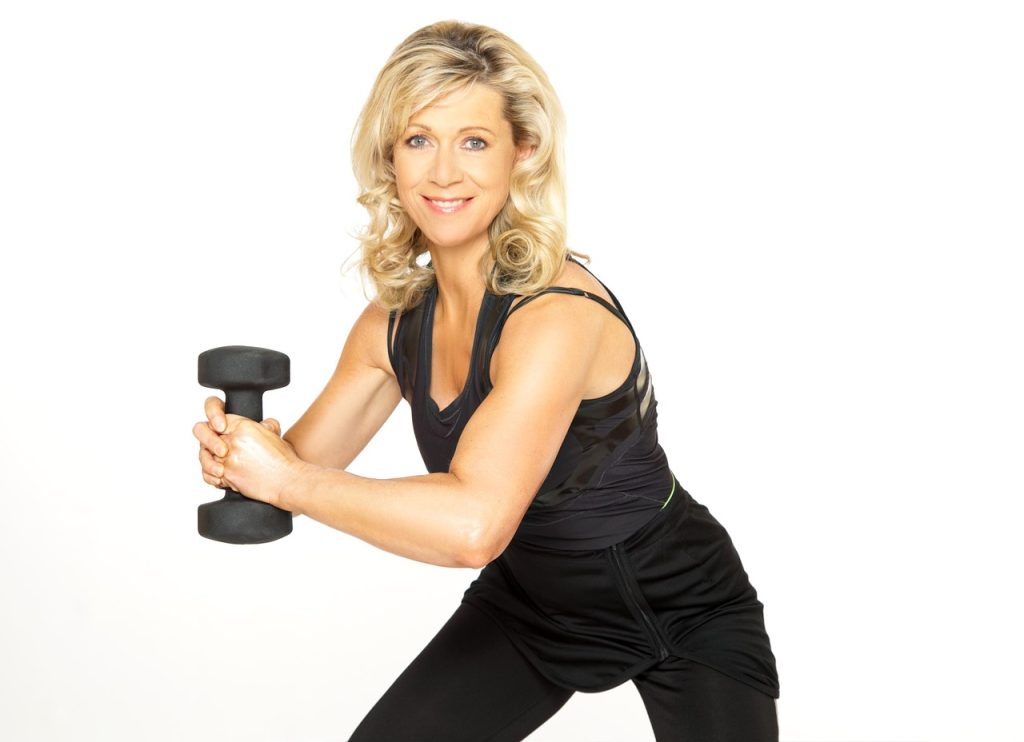
Feeling confused about exercise during midlife? Let’s see if you relate… The workouts that once worked suddenly leave you exhausted, injured, or frustrated. Your energy fluctuates, recovery takes longer, and stubborn weight gain can appear despite your consistent effort. Many of us go through this, and here is the truth not too many talk about: your body is failing you. It’s your fitness strategy that needs to evolve with your biology as you move forward in life.
Smart fitness in midlife focuses less on intensity and more on sustainability, strength preservation, metabolic health, and nervous system balance. When exercise supports hormones, muscle maintenance, and recovery instead of fighting against them, women often experience renewed energy, better sleep, improved confidence, and long-term vitality. The goal shifts from burning calories to building resilience for longevity.
Why Fitness Must Change in Midlife
After 40, natural physiological shifts begin to influence how the body responds to exercise. Declining estrogen levels affect muscle repair, bone density, insulin sensitivity, and recovery time. At the same time, stress hormones often run higher due to career demands, caregiving responsibilities, and lifestyle pressures.
This means traditional “more cardio, less food” approaches can backfire. Excessive high-intensity workouts may increase cortisol, disrupt sleep, and slow fat loss rather than improve it.
Midlife fitness works best when it supports three priorities:
- Muscle preservation
- Metabolic flexibility
- Nervous system regulation
When these are addressed, strength and longevity improve naturally.
Strength Training: The Foundation of Longevity
Muscle is one of the strongest predictors of healthy aging. Research consistently shows that maintaining lean muscle mass supports metabolic health, balance, bone density, and independence later in life.
Strength training does not require extreme lifting or long gym sessions. Consistency matters more than intensity.
Smart strength strategies include:
- Training 2–4 times per week
- Prioritizing compound movements (squats, rows, presses, hinges)
- Using progressive resistance gradually
- Focusing on proper form over heavy weight
Benefits women often notice include:
- Improved metabolism
- Reduced joint pain
- Better posture
- Increased daily energy
Think of strength training as a long-term investment in mobility and independence.
Rethinking Cardio for Hormonal Balance
Cardio still plays an important role, but the type and amount matter greatly.
Long sessions of high-intensity cardio can elevate stress hormones when recovery capacity is lower. Instead, smart cardio emphasizes variety and recovery.
The most effective midlife cardio mix:
- Zone 2 cardio (walking, cycling, swimming) 3–5 days weekly
- Short interval sessions 1–2 times weekly
- Daily movement like walking after meals
Zone 2 training improves mitochondrial health – the energy engines of your cells – supporting endurance and metabolic flexibility without overwhelming the nervous system.
For many women, simply increasing daily walking dramatically improves energy and fat metabolism.
Mobility and Joint Health Become Non-Negotiable
Joint stiffness and reduced flexibility are common complaints in midlife, often mistaken as inevitable aging. In reality, mobility declines primarily from inactivity and repetitive movement patterns.
Adding mobility work prevents injury and improves strength performance.
Focus on:
- Hip mobility
- Thoracic spine rotation
- Shoulder stability
- Ankle flexibility
Even 5–10 minutes daily can enhance movement quality and reduce aches.
Gentle practices like yoga, dynamic stretching, or mobility flows help maintain freedom of movement, a key marker of longevity.
Recovery: The Missing Piece in Most Fitness Plans
Many women push harder when results slow, but midlife success often comes from improving recovery rather than increasing effort.
Recovery determines adaptation. Without it, the body remains in stress mode.
Smart recovery includes:
- 7–9 hours of sleep
- Rest days between intense workouts
- Adequate protein intake
- Stress-reducing practices like breathing exercises or nature walks
Signs you may need more recovery:
- Persistent fatigue
- Poor sleep
- Increased cravings
- Plateaued progress
Fitness should energize you, not drain you.
Protein, Nutrition, and Muscle Preservation
Exercise alone cannot maintain strength without proper nutrition.
Midlife women often underconsume protein, which accelerates muscle loss. Supporting muscle repair helps stabilize blood sugar, reduce cravings, and improve body composition.
General guidelines:
- Include protein at every meal
- Aim for roughly 25–35g per meal (individual needs vary)
- Pair protein with fiber-rich carbohydrates and healthy fats
Balanced nutrition enhances workout results while supporting hormone stability.
The Longevity Mindset: Train for the Life You Want
The most powerful shift in midlife fitness is psychological.
Instead of exercising to punish the body or chase rapid weight loss, successful women train for future quality of life.
Ask yourself:
- Do I feel stronger this year than last year?
- Can I move confidently and without pain?
- Does my routine support my energy?
Longevity fitness means preparing your body for hiking, traveling, playing with grandchildren, and maintaining independence, not chasing unrealistic standards.
A Simple Weekly Smart Fitness Framework
Example balanced week:
- Strength training: 3 days
- Zone 2 cardio/walking: 4–5 days
- Mobility work: daily (5–10 minutes)
- Interval training: 1 short session
- Full rest or active recovery: 1–2 days
This balanced approach promotes consistency, reduces injury risk, and supports sustainable results.
The Bottom Line
Midlife is not a decline. It is a transition requiring smarter strategies. When fitness aligns with hormonal health, recovery, and strength preservation, women often feel stronger, more energized, and more confident than they did years earlier.
The goal is no longer to exercise more, but to exercise wisely.
Smart fitness builds a body designed not just for today, but for decades of vitality ahead.
Reviewed by Coach Tammy
Coach Tammy Bar is a Certified Life Coach, Health Coach, Type 2 Diabetes Educator, and Humanistic Psychology Counselor with over 25 years of experience in health promotion and disease prevention through education.
She coaches women to improve their energy, metabolic health, and sustain healthy lifestyle habits. She helps women navigate midlife transitions, including blood sugar balance, hormone health, weight management, and lifestyle strategies that promote long-term vitality. Her approach combines science-based nutrition, behavioral psychology, and practical daily routines designed for real life.
Through TBHealthy, Coach Tammy educates women simplify health decisions and build habits that support energy, clarity, and resilience during hormonal changes such as perimenopause and menopause.
Medical Disclaimer: This article is for educational purposes only and does not replace personalized medical advice. Always consult your healthcare provider regarding medical conditions or treatment decisions.
Smart Fitness for Midlife Strength & Longevity: Your Questions Answered
1. What are the best midlife fitness strategies for long-term health?
The most effective midlife fitness strategies focus on strength training, moderate cardio, mobility work, and proper recovery. Instead of prioritizing calorie burn, exercise should support muscle preservation, hormone balance, and metabolic health. Consistency, progressive resistance, and adequate rest help maintain energy and prevent injury while promoting long-term longevity.
2. Why is strength training important for women over 40?
Strength training helps counteract natural muscle loss that begins in midlife. Maintaining muscle improves metabolism, supports bone density, enhances balance, and reduces injury risk. For women over 40, resistance training also improves insulin sensitivity and daily energy levels, making it one of the most powerful tools for healthy aging.
3. How does fitness contribute to longevity?
Fitness for longevity strengthens muscles, protects joints, improves cardiovascular health, and supports brain function. Regular movement helps regulate blood sugar, reduce inflammation, and maintain independence later in life. Exercise acts as a long-term investment in mobility, resilience, and overall quality of life.
4. How often should midlife women do strength training?
Most experts recommend strength training two to four times per week. Sessions should focus on major muscle groups using functional movements like squats, pushing, pulling, and hinging exercises. Adequate recovery between sessions is essential to allow muscles and the nervous system to adapt and grow stronger.
5. How should workouts change after 40 to support hormonal fitness?
Hormonal fitness after 40 benefits from balanced workouts rather than constant high intensity. Combining strength training with low-intensity cardio, mobility work, and recovery practices helps regulate cortisol and supports energy stability. Listening to recovery signals becomes more important than pushing maximum effort daily.
6. What types of workouts support healthy aging the most?
Workouts for healthy aging include resistance training, walking or Zone 2 cardio, flexibility exercises, and balance training. These activities maintain muscle mass, cardiovascular health, and joint mobility, all key predictors of independence and vitality as we age.
7. Can exercise really boost metabolism in midlife?
Yes. Metabolism-boosting exercise primarily comes from building and maintaining muscle through resistance training. Muscle tissue requires more energy than fat tissue, helping the body burn more calories at rest. Combined with proper nutrition and recovery, strength training can significantly support metabolic health.
8. What is the best type of exercise for improving energy and longevity?
The best exercise for energy and longevity is a balanced combination of strength training, moderate cardio, and mobility work. This approach supports mitochondrial health, stabilizes blood sugar, reduces fatigue, and improves overall resilience allowing you to feel energized rather than depleted after workouts.
Start Your Midlife Strength Reset
If you’ve made it this far, one thing is clear: your body doesn’t need harsher workouts or more restriction. It needs the right foundation.
Strength, energy, and longevity begin when your metabolism, nutrition, and daily habits start working with your body instead of against it.
That’s exactly why I created the 3-Day Energy Reset, a simple starting point designed to help you:
✔ Stabilize energy and reduce cravings
✔ Support metabolism and muscle preservation
✔ Reset daily habits without overwhelm
✔ Feel lighter, clearer, and more in control in just a few days
This isn’t a strict program or extreme challenge. It’s a gentle but powerful reset to help you reconnect with sustainable health habits that support midlife strength and long-term vitality.
Your next step can be simple.
Small shifts done consistently create lasting change… and the best time to begin is now.